Home › Blog › Replacement Windows
Replacement Windows
Vinyl vs. Composite vs. Fiberglass vs. Wood: Choosing Window Frames for a Florida Home
An honest comparison of the four frame materials we install, written for humidity, sun and salt air rather than a national brochure.
September 25, 2026 · 6 min read · Windows & Doors Store
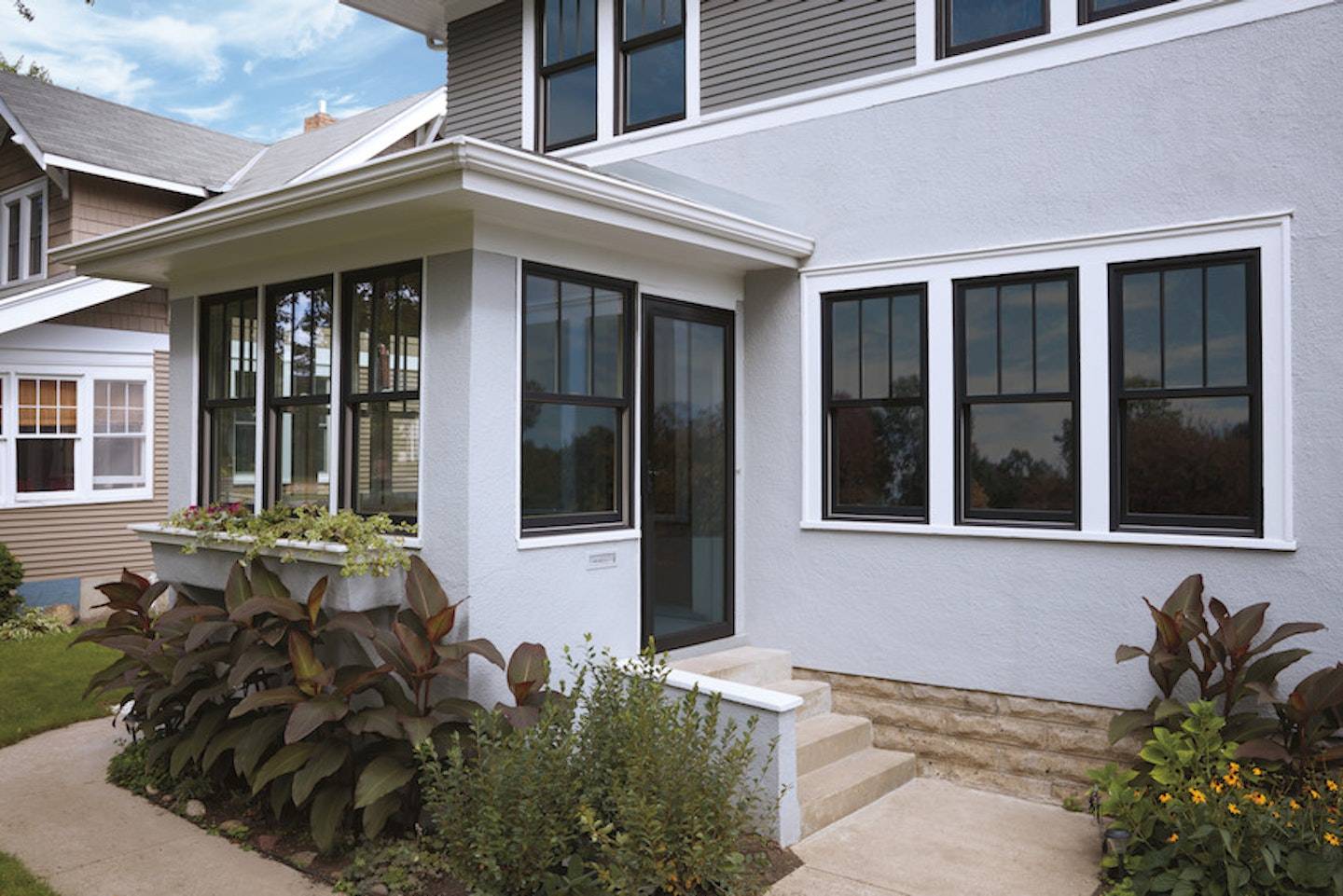
The glass gets most of the attention, but the frame decides how a window looks, how long it lasts and how it handles 90 percent humidity for six months a year. Here is an honest comparison of the four materials we install, written for Florida rather than for a national brochure.
Vinyl
Vinyl is the value leader and the most common replacement window in Florida. The frames are extruded PVC with hollow chambers that insulate well, they never need paint, and they shrug off humidity. The trade-offs: frames are a little thicker than other materials, color choices are limited (dark colors can warp in direct sun unless the manufacturer uses a heat-reflective finish), and they can’t be repainted later.
Best for: whole-home replacements on a budget, rental properties, and anyone who wants zero maintenance.
Composite (Andersen Fibrex®)
Composite frames blend reclaimed wood fiber with polymer. Andersen’s 100 Series is the best-known example: twice as strong as vinyl, so the frames are slimmer and the glass area larger, and rated to stay stable above 160°F even in black. Pricing sits a step above vinyl.
Best for: homeowners who want dark frames, a more modern profile and the strength to handle large openings without a vinyl look.
Fiberglass
Fiberglass frames are pultruded from glass fibers and resin. They expand and contract at almost the same rate as glass, which keeps seals tight for decades, and they are strong enough for very tall or wide units. They can be painted, hold dark colors beautifully, and typically carry the longest lifespans in the category. They also cost the most of the non-wood options. Marvin Elevate and Essential and Pella Impervia are the lines we install most.
Best for: modern homes, large picture windows, coastal exposure and anyone planning to stay in the house for the long haul.
Wood (with an aluminum or fiberglass exterior)
Nothing matches real wood inside a historic Gainesville bungalow or a St. Augustine Victorian. The catch is maintenance, so we almost never install bare-wood exteriors in Florida. Instead, lines like the Andersen 400 Series, A-Series and E-Series put a stainable wood interior behind a vinyl, composite or extruded aluminum shell that never needs paint.
Best for: historic districts, custom homes and rooms with stained trim and cabinetry to match.
Side by side
| Vinyl | Composite | Fiberglass | Clad wood | |
|---|---|---|---|---|
| Relative cost | $ | $$ | $$$ | $$$–$$$$ |
| Dark colors | Limited | Yes | Yes | Yes |
| Frame profile | Thickest | Slim | Slim | Traditional |
| Maintenance | None | None | None | Interior only |
| Paintable | No | No | Yes | Interior |
| Typical lifespan | 20–30 yrs | 30+ yrs | 30–50 yrs | Decades with care |
Which should you choose?
Start with the look you want and the budget you have, then let exposure decide the rest. A west-facing wall of glass on the Intracoastal deserves fiberglass or composite; a north-facing bedroom window in a rental is a perfect vinyl candidate. Impact glass, Low-E coatings and grille styles are available on every material, so you never have to trade performance for price.
Ready when you are
See your options with a free in-home consultation.
Call 352-450-1826 or request a visit and we’ll be in touch within one business day.