Home › Blog › Energy Efficiency
Energy Efficiency
How Energy-Efficient Windows Cut Florida Cooling Bills
Low-E coatings, SHGC and U-factor explained for the Southern climate zone, so you can compare quotes on performance instead of brand names.
September 25, 2026 · 5 min read · Windows & Doors Store
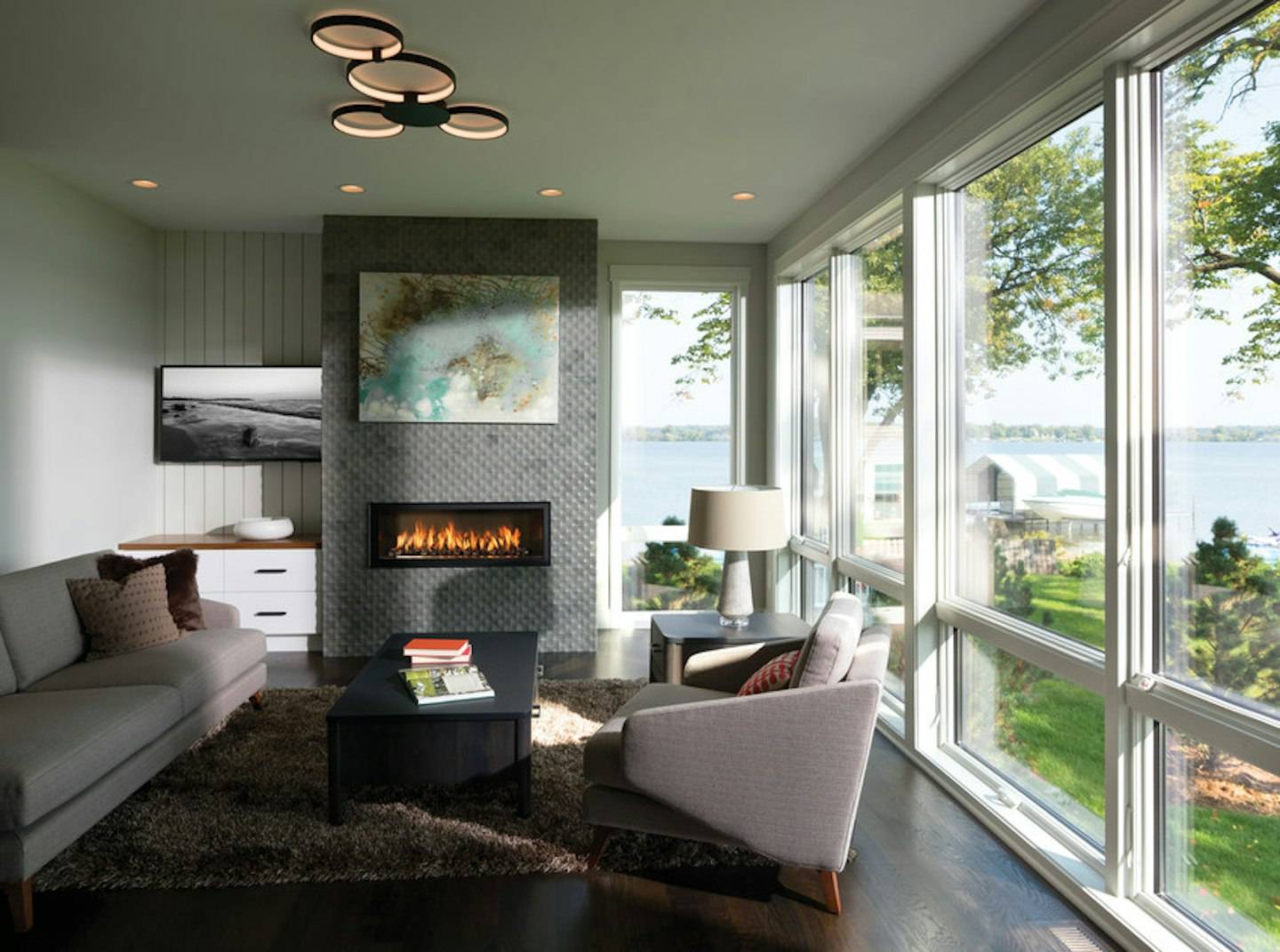
In North Florida the air conditioner runs eight months a year, and windows are the biggest hole in the thermal envelope. The right glass package can cut the heat coming through a window by more than half. Here is what the labels mean and which numbers matter in our climate.
The two numbers that matter here
- SHGC (Solar Heat Gain Coefficient): how much of the sun’s heat passes through the glass, on a scale from 0 to 1. Lower is better in Florida. ENERGY STAR® requires 0.23 or lower for our zone; older clear double-pane glass is around 0.70.
- U-factor: how well the whole window resists heat flow, like the inverse of R-value. Lower is better. Our zone calls for 0.40 or lower, though anything under 0.30 is easy to reach with modern units.
Visible transmittance (VT) tells you how much daylight gets through. A good Florida glass package keeps VT high while pushing SHGC low, so rooms stay bright without the heat.
What Low-E actually does
Low-E is a microscopically thin metallic coating on the glass. It lets visible light in while reflecting infrared heat back toward its source: outside in summer, inside on our few cold nights. Andersen’s Low-E4® SmartSun™, Pella’s AdvancedComfort Low-E and Marvin’s Low E2 or Low E3 with argon are the packages we quote most, and all of them meet ENERGY STAR for the Southern zone.
Argon, spacers and frames
Between the panes, argon gas insulates better than air. Warm-edge spacers (the strip that holds the panes apart) reduce condensation at the glass edge, which matters on humid mornings. The frame material contributes too: vinyl, composite and fiberglass all insulate well; bare aluminum without a thermal break does not, which is why so many 1980s Florida homes are hot near the windows.
How much can you save?
The U.S. Department of Energy estimates that replacing single-pane windows with ENERGY STAR units saves 12 to 13 percent on energy bills on average, and more in cooling-dominated climates. In our experience the bigger wins are comfort: rooms that were unusable in the afternoon become usable, the thermostat stops fighting a west wall, and the system cycles less, which extends its life.
Impact glass is efficient too
Laminated impact glass with a Low-E coating performs as well as, and often better than, standard insulated glass, because the interlayer blocks additional infrared. If you are on the coast and already need impact rating, you get the efficiency for free.
Reading a quote
Any quote we give lists the exact glass package and its NFRC ratings. Compare U-factor and SHGC across bids rather than brand names; two quotes for “Low-E glass” can be very different products. Then look at the frame, the warranty and who is doing the installation, because a great window installed poorly leaks heat around the frame.
Want the numbers for your house? Request a free consultation and we’ll show you the options on our Windows page in person.
Ready when you are
See your options with a free in-home consultation.
Call 352-450-1826 or request a visit and we’ll be in touch within one business day.