Window materials
Which material is right for your home?
Each has trade-offs in cost, look, maintenance and efficiency. Pick a material below for the full breakdown, or jump to the Andersen product catalog.
Window details
Everything you need to know before you choose
Wood Windows
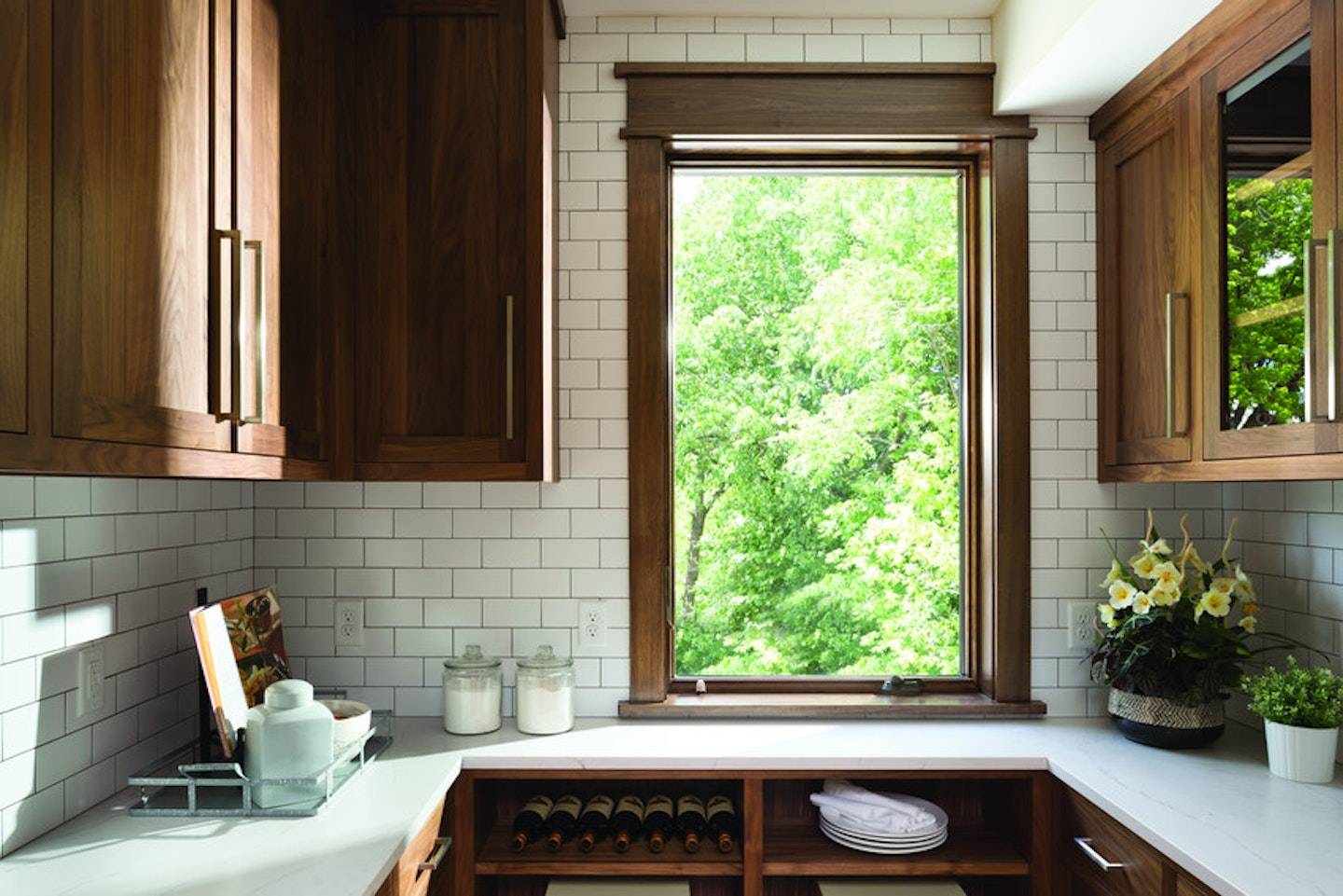
Wood is the original window material and still the benchmark for warmth and character. Modern wood windows from Andersen, Marvin and Pella pair a real wood interior with a clad exterior — vinyl, fiberglass, Fibrex® or aluminum — so you get the look of wood inside without the scraping and repainting outside.
Why homeowners choose wood
- Natural insulator: wood conducts far less heat than metal, so frames stay comfortable to the touch in August.
- Fully customizable: pine, oak, maple, cherry and more, stained or painted to match trim and cabinetry.
- Historic accuracy: cottage sash, arch tops, true divided lights and period hardware for older Gainesville and St. Augustine homes.
- Long service life: with a clad exterior and a quality installation, decades of use with only light maintenance.
Things to know
Bare-wood exteriors need periodic sealing in Florida humidity, which is why we recommend clad lines such as the Andersen 400 Series and E-Series. Wood carries the highest upfront cost of the four materials, but it also adds the most to a home’s appraised character.
Vinyl Windows
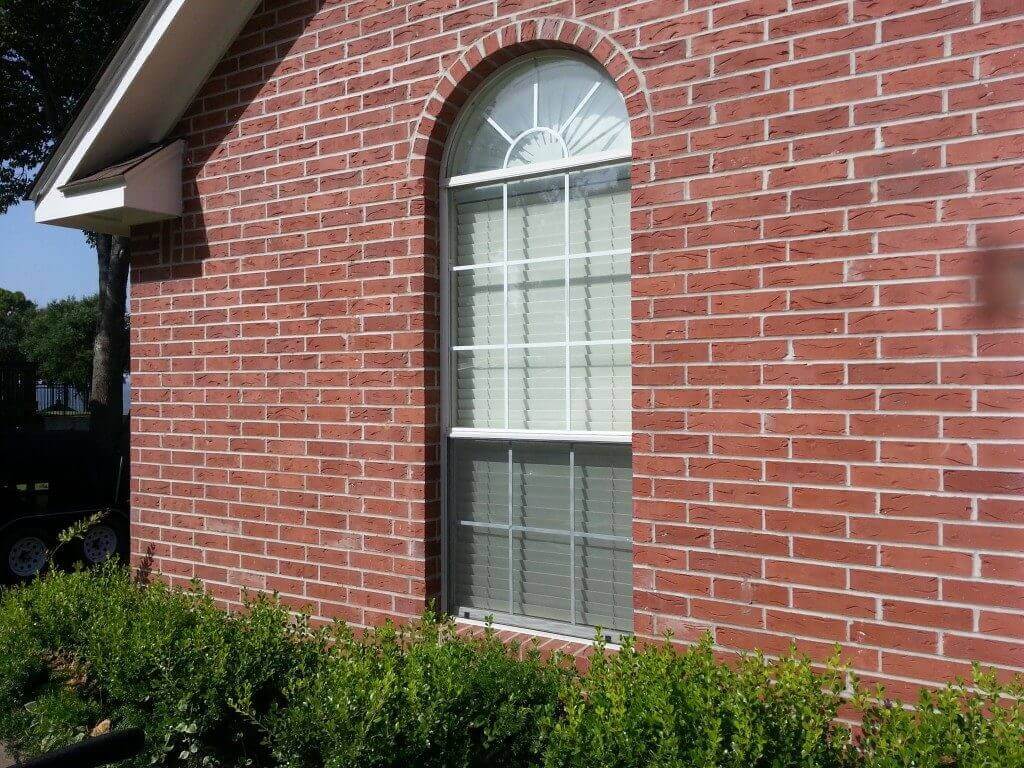
Vinyl is the best-selling replacement window material in North Florida for a reason: it insulates well, never needs paint, and delivers the lowest cost per opening. Modern vinyl frames are multi-chambered and UV-stabilized, so they no longer yellow or warp the way early vinyl did.
Benefits
- Energy efficient: heat doesn’t transfer easily through vinyl, and welded corners keep air infiltration low.
- Low maintenance: the color runs all the way through the frame — no chipping, no repainting, just soap and water.
- Every style: single- and double-hung, casement, awning, sliding, picture, bay and bow, plus impact-rated glass packages.
- Best value: the most affordable route to ENERGY STAR® performance for a whole house.
Frequently asked questions
How long do vinyl windows last?
Quality vinyl windows typically last 20–30 years; the lifetime limited warranties on the lines we carry cover the frame and the insulated glass seal.
Can vinyl windows be painted?
Not recommended — dark paint absorbs heat and can warp the frame. Choose a factory color (white, tan, clay, bronze or black) instead.
Are vinyl windows good in a hurricane zone?
Yes, when ordered with impact-rated laminated glass and a reinforced frame. Ask us which lines carry Florida product approvals for your wind zone.
Vinyl or aluminum?
Vinyl insulates better; thermally broken aluminum gives slimmer sightlines and can be painted. We’ll show you both at your consultation.
Fiberglass Windows
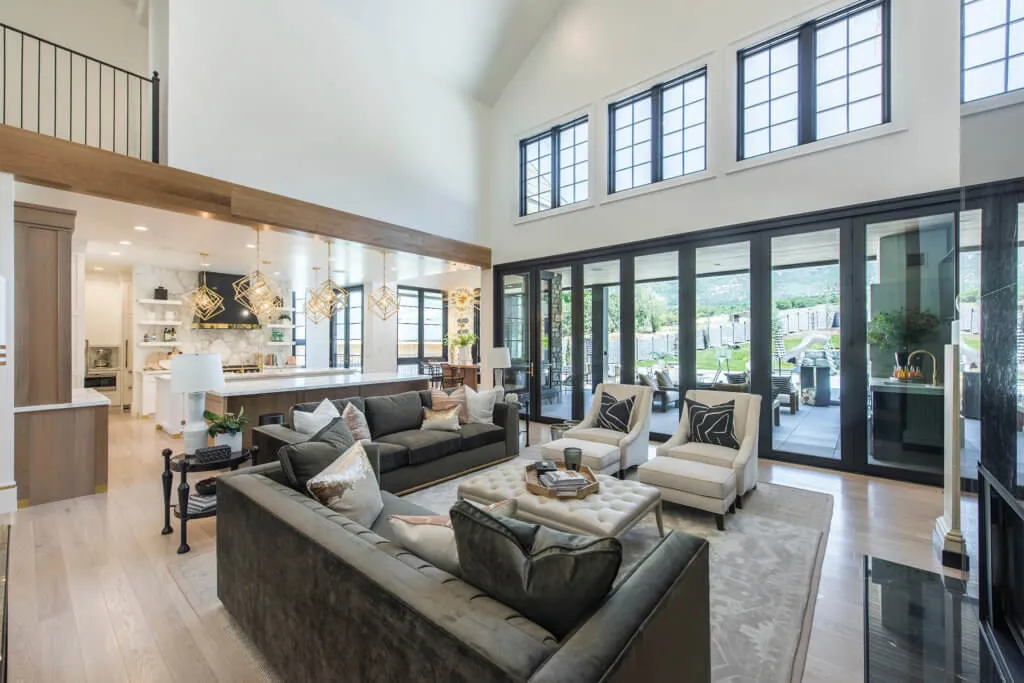
Fiberglass frames are pulled from glass fibers and resin, then painted or capped. The result is a frame that is up to eight times stronger than vinyl, expands and contracts at the same rate as the glass it holds (so seals last longer), and can be finished in deep, dark colors without warping.
Why fiberglass
- Strength: narrow frames and large glass areas — ideal for modern designs and picture windows.
- Stability: minimal thermal movement means fewer seal failures and drafts over the life of the window.
- Efficiency: low conductivity plus multi-chamber construction; pairs with low-E and triple-pane glass.
- Color freedom: factory-finished blacks, bronzes and custom colors that hold up in Florida sun.
- Longevity: 30–50 year service life with virtually no maintenance.
Lines we install
Marvin Elevate and Essential, Pella Impervia and Andersen 100 Series (Fibrex® composite) — all available with impact-rated glass.
Thermal Aluminum Windows
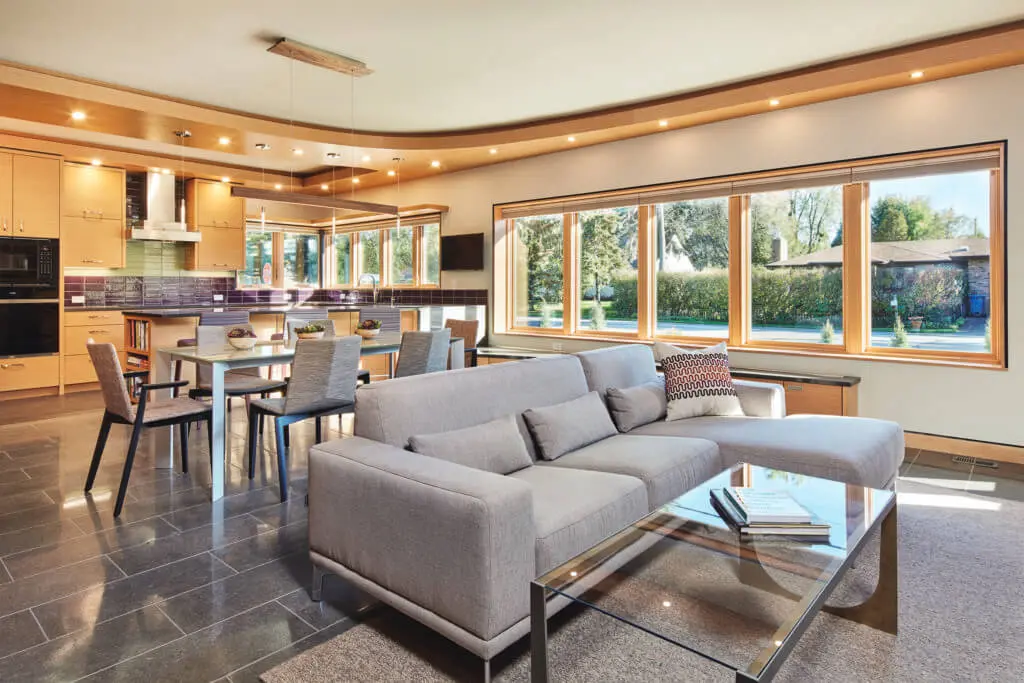
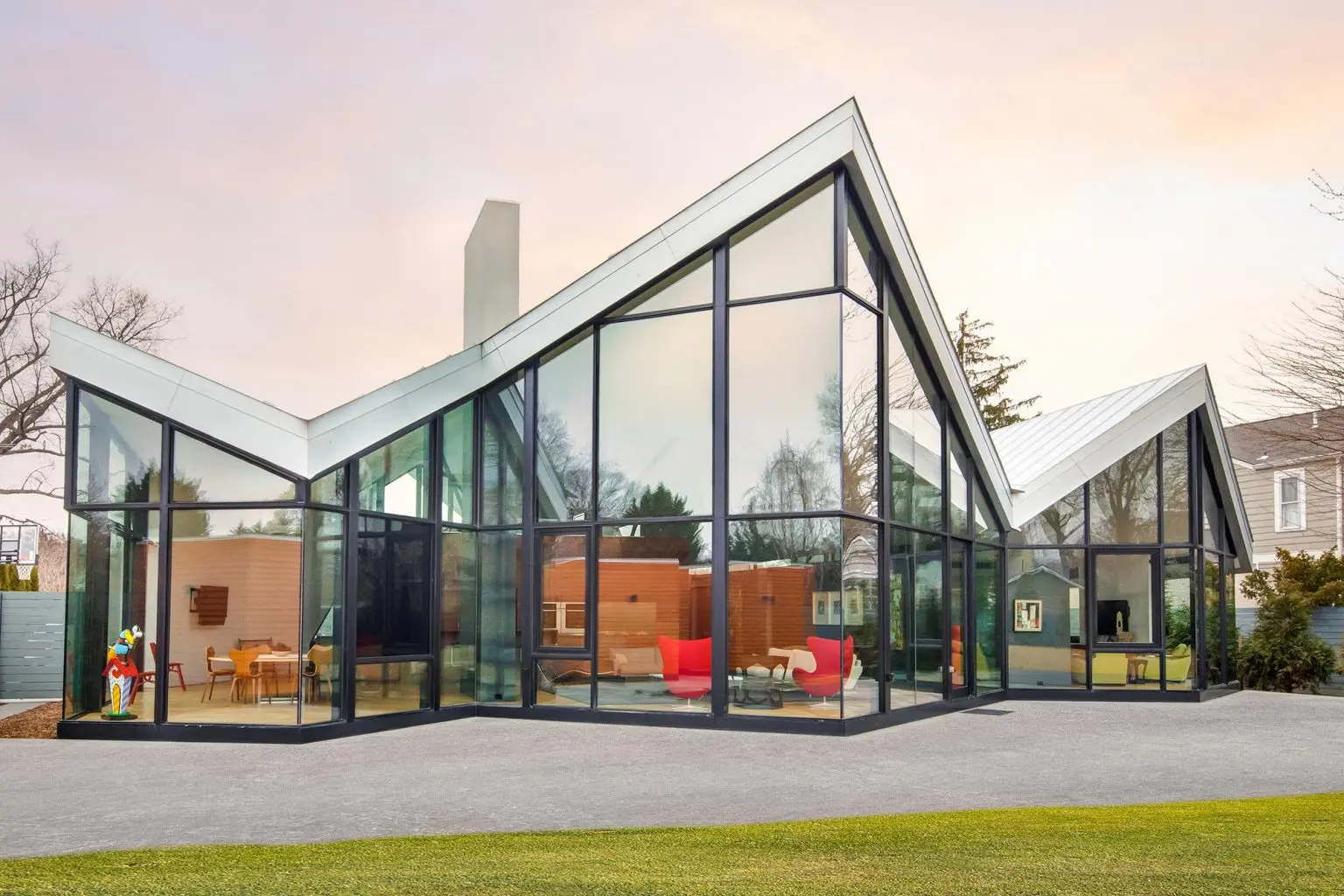
Aluminum is the strongest, slimmest window frame you can buy, and it is the traditional choice for Florida block homes. Older aluminum windows were energy hogs; today’s thermally broken frames insert a polyurethane barrier between the inside and outside metal so heat can’t bridge across.
Why thermal aluminum
- Slim sightlines: the narrowest frames of any material for maximum glass.
- Strength: supports very large impact-rated units and moving glass walls.
- Paintable: powder-coated and anodized finishes in any color, and it can be repainted later.
- Coastal durability: marine-grade finishes resist salt air along the St. Johns and the Gulf coast.
Thermal aluminum costs a little more than vinyl and insulates slightly less, but for contemporary homes and oversized openings it is often the right answer.
Fiberglass & Composite Windows
Composite frames blend wood fibers or fiberglass with polymers to get the stability of wood, the maintenance profile of vinyl and the strength of fiberglass in one extrusion. Andersen’s Fibrex® material — reclaimed wood fiber bonded with thermoplastic polymer — is the best-known example and is twice as strong as vinyl.
Why composite
- Won’t warp, crack or peel: stable in heat and humidity, with dark exterior colors available.
- Efficient: low thermal conductivity and tight tolerances for a snug fit in replacement openings.
- Sustainable: made largely from reclaimed wood fiber.
- Mid-range price: above vinyl, below wood and premium fiberglass.
Which material is right for me?
There is no single best window — there is the best window for your house, your exposure and your budget. Our consultation is free and we bring samples of every frame type, so you can feel the difference before you decide. Book a visit →
At a glance
| Vinyl | Thermal aluminum | Wood | Fiberglass / composite | |
|---|---|---|---|---|
| Energy efficiency | High | Good | High | Highest |
| Maintenance | Very low | Low | Periodic | Very low |
| Paintable | No | Yes | Yes | Yes |
| Typical lifespan | 20–30 yrs | 20–30 yrs | Decades with care | 30–50 yrs |
| Relative cost | $ | $$ | $$$ | $$$ |
Ready when you are
See your options with a free in-home consultation.
Call 352-450-1826 or request a visit and we’ll be in touch within one business day.